giovedì 15 maggio 2014

New models of Fisiotek series

Rimec introduces new products


On the occasion of Exposanità exhibition, from 21st to 24th of May in Bologna, Rimec presents the new products which enrich Fisiotek series.

Two new models built with high-engineered features able to grant the usual reliability of Fisiotek products and an high durability during the years, also for intensive uses both at professional and domestic level.

We invite all our customers and partners to come through our booth (STAND A36 - HALL 22) to discover the new devices and receive all the necessary information: our staff will be pleased to show you the highlights of these products.


Exposanità
19th International Health Care Exhibition
Bologna, 21-22-23-24 May 2014
Bologna Fair District 


Rimec's booth: stand A36 - "Horus" hall 22


venerdì 28 febbraio 2014

Arab Health Exhibition 2014 - video-interview in collaboration with HMedical and Honegger

Arab Health 2014
Dubai, UAE 
Dubai World Trade Centre


A very special thanks to :


Here below you can watch the video-interview made at our stand
to Dr. Federico Carroli, Sales Consultant of Rimec S.r.l.


giovedì 6 febbraio 2014

Arab Health Exhibition 2014

Arab Health 2014
Dubai, UAE 
Dubai World Trade Centre
Rimec thanks all the participants and the visitors passed
through our booth!

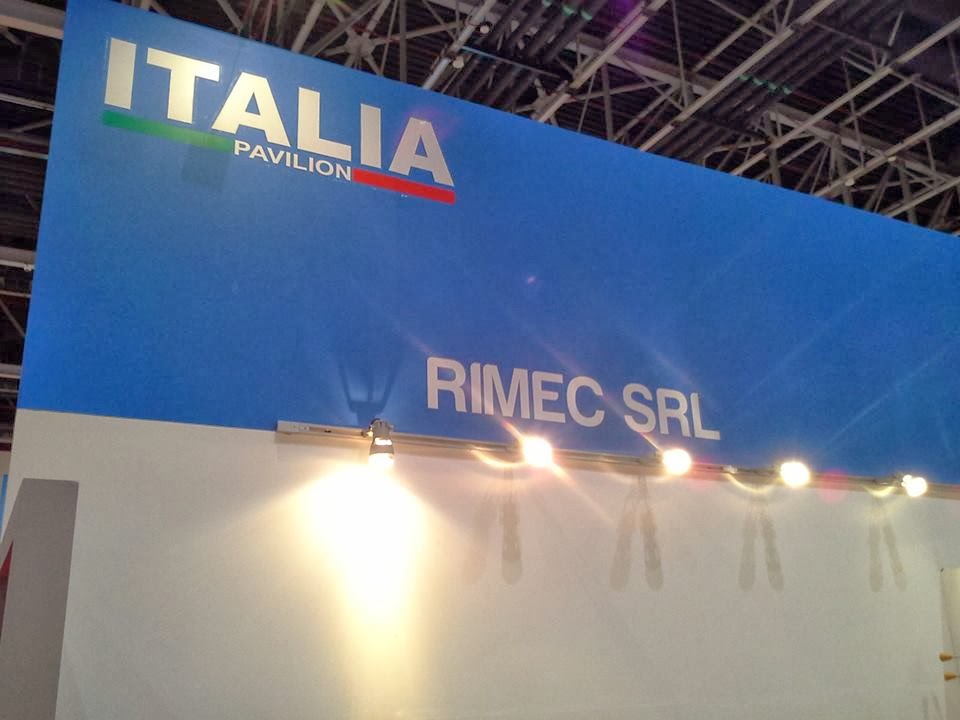
Confirming its reputation, the 2014 edition of Arab Health Exhibition has lured thousands of visiors from all over the world: Rimec has taken part, as its 14th presence, exhibiting in the Italian Pavillion organised by Honegger.

Here below follow some of the pictures taken from Monday 27th to Thursday 30th:


mercoledì 16 ottobre 2013

Fisiotek 3000 series: the new models for passive rehabilitation


Fisiotek 3000 series
the new series of CPM devices
After several months of design, Rimec has introduced on the market a new line of 5 CPM models for passive rehabilitation, which represent the core business of the company.
This article want to give practical information about the models and their features, with the aim to provide valid support both to the professionals and to the patients.
In order to collect all the basic information on models, we propose you the following chart:
Technical chart Fisiotek 3000 series

(*) with the provided button
(**) with a menu's page


Some general considerations about Fisiotek 3000 series:

- it's composed of 5 models, 3 of them (3000 GS - 3000 G - 3000 E) with the new frame's structure, and the remaining 2 of them (3000 TS - 3000 N) have manteined the structure of Fisiotek 2000 line;

- it has been improved with a new programming software, which is set up on all the models;

- between the series, it has been preserved the model for the ankle, the TS version, which confirm its uniqueness as device able to treat all the lower limbs in a sole device;

- it's available a new accessory, the Mobile Programming keyboard, which can be used to program the features, supporting the therapist and giving the possibility to place responsibilities on patients which take part actively in the session;


Description of the models:


FISIOTEK 3000 GS -----> this model can treat the knee and the hip through the movement of flexion-extension. It is provided of Memory Card, used for patient data storage and to start the Warm Up feature (for joint heating). Reduced weight and new programmable features able to customize the rehab therapy taking care about the clinical frame of the patient.


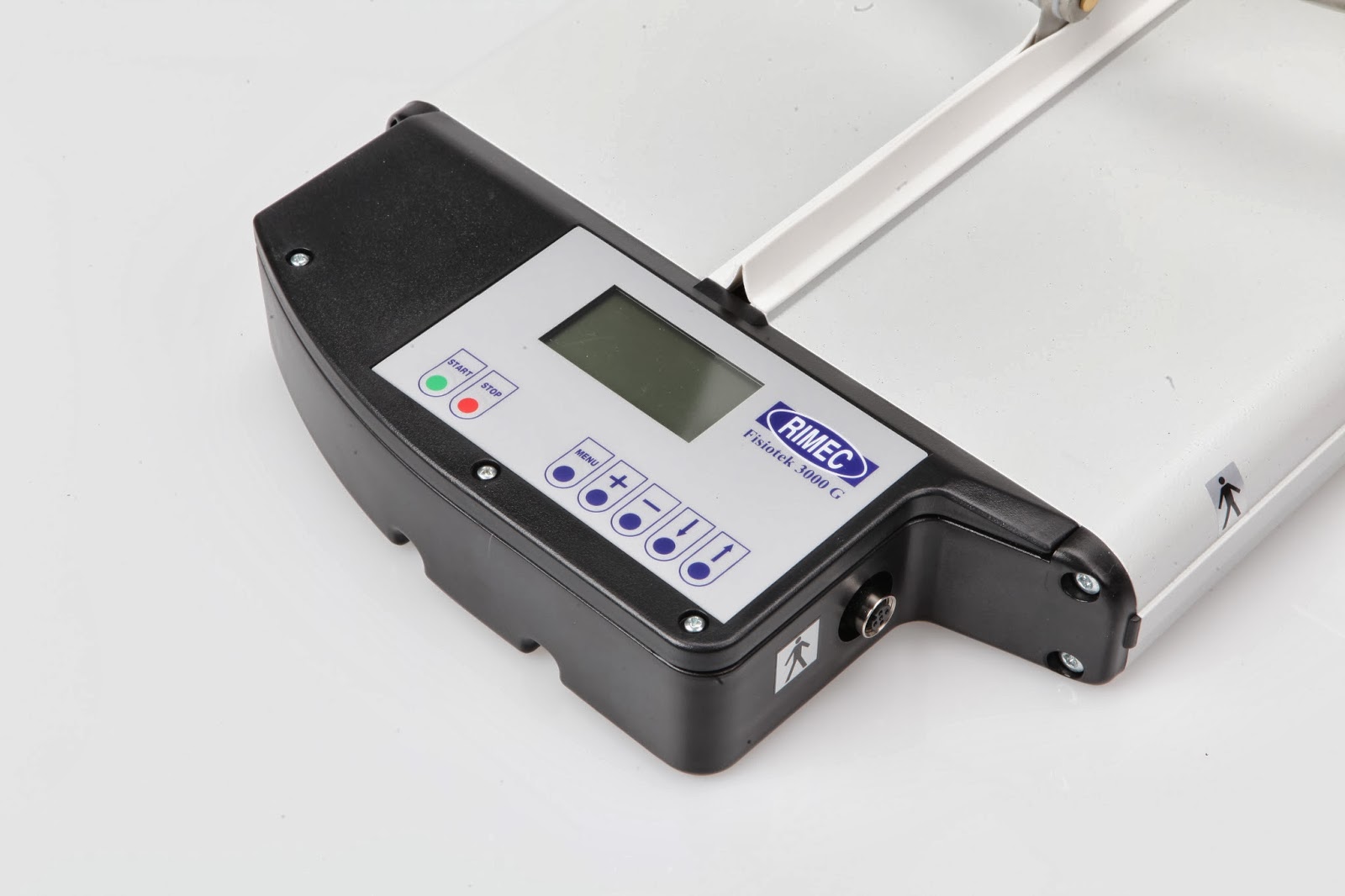
FISIOTEK 3000 G -----> the brother of GS version, but without the Memory Card. This model has been though for professionals who need to follow the patient during the rehabilitative process after surgical or not surgical pathologies.


FISIOTEK 3000 E -----> one of the two simplest models of the series, particulary suggested for post-operative rehabilitation where is necessary to recover the mobility quickly. Apart from the basic features (ROM adjustement, speed, force, time of work), this model has one of the two new features introduced, the "repetitions" to flexion and extension limit, which are particulary used in order to strengthen the reaching of limit fixed.


FISIOTEK 3000 TS -----> the sole model present on the market in terms of technical features and structure: the 3000 TS version can treat knee, hip and ankle, combining versatility and uniqueness ever obtained by a CPM. This model is built with the old structure of Fisiotek 2000 line (the weight increases up to 14kg.), the same asimmetrical frame but the new programming software set up. It's provided of Memory Card for patient data storage and for the Warm Up.


In the picture above, the dorsal flexion of the ankle.
 Is it also possible to see the asymmetrical frame of Fisiotek 3000 TS


FISIOTEK 3000 N -----> the second simplest model of Fisiotek 3000 series, though especially for rental activity. This model has been designed, together with TS version, with the structure of Fisiotek 2000 line, the same asymmetrical frame but with the new programming graphic enriched of self-explanatory symbols, suitable for an easy programming, even at home.


Are you interested to receive the catalog of the new Fisiotek 3000 series?
Visit our website and get in touch with us!
-------------------->Link to the website<--------------------


Rimec's attendance at Rééduca 2013

 
Rééduca 2013
The International Exhibition on Rehabilitation


On 4, 5 and 6 October 2013 Rimec has attended, for the first time, Rééduca Exhibition, the International meeting between health-care professionals and the manufacturers of medical devices for Physical rehabilitation.
 
The exhibition is famous to be a meeting for physiotherapists which are interested to discover new medical technologies and "try" them personally.
 
Rimec has exposed the new Fisiotek 3000 GS for knee and hip, but also Fisiotek LT for the shoulder.


A special care has been given to Fisiotek LT, which has been appreciated for the simplicity of use with respect to the other models of the competitors.
The new model Fisiotek 3000 GS has also been esteemed thanks to the new features regarding the customization of the therapy, the weight of the unit and the materials employed for the new design.
 
An exclusive french public of reference who look for quality, durability but also performance: Fisiotek 3000 series has well replied to the request of these features, imposing its presence as reliable producers.
 
Here below follow some pictures about the exhibition and Rimec's stand, enjoy!
 

The stand before the set-up


The stand after the set-up
 
 
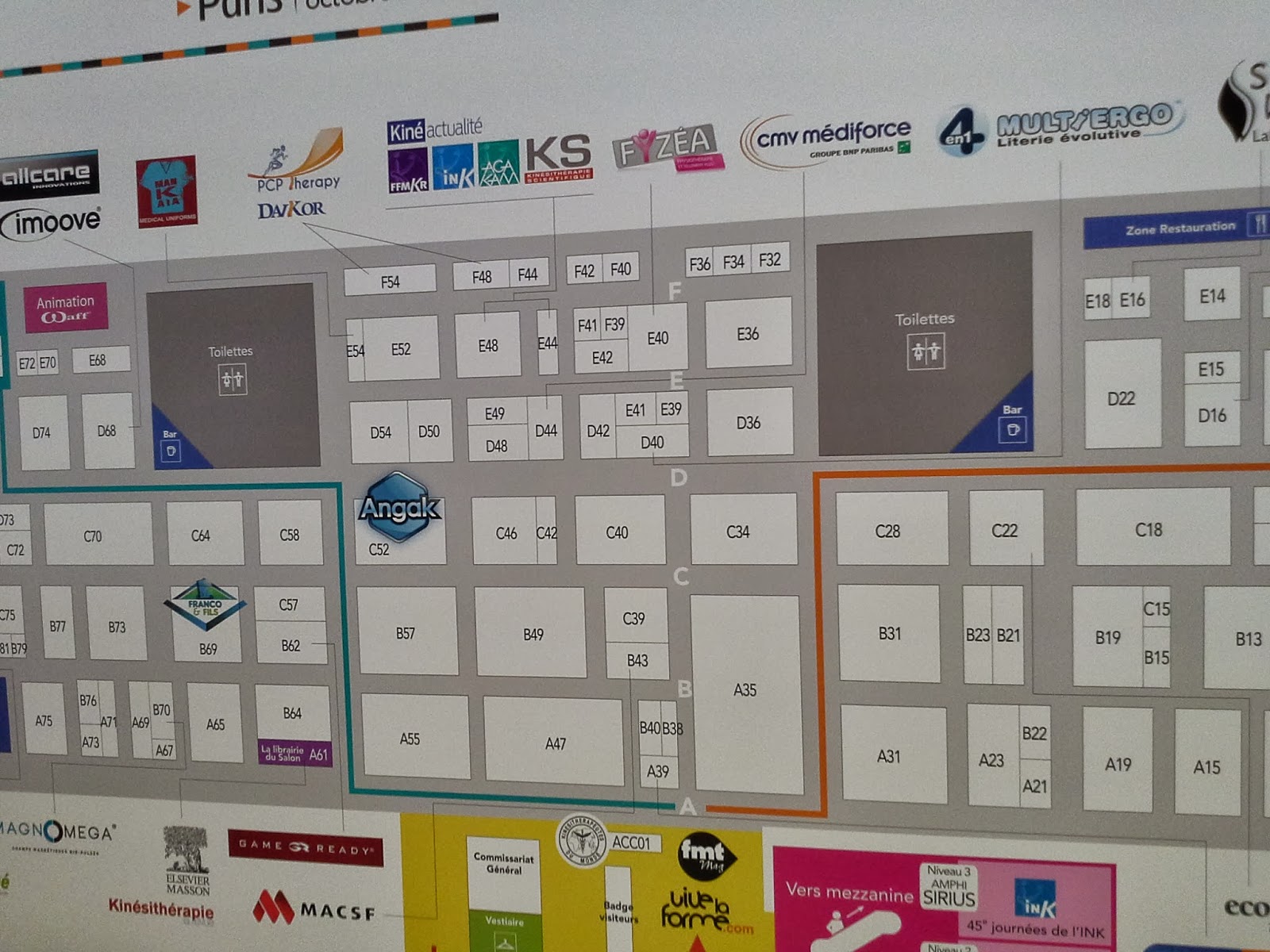
The exhibition's plan


Rimec was present at stand E39


The list of exhibitors


We thank all the visitors for the good consideration on the products, stay tuned about new Rimec attendances!


venerdì 13 settembre 2013

Fisiotek 3000: passive rehabilitation... with active patient!

 
The role of the patient in the
rehabilitation session


With the last version of Fisiotek 3000 CPM devices from Rimec, the Mobile Programming Keyboard has come as an new accessory wich can be provided along with the new models, improving the effectiveness and the added value for the patient.
 
In fact, this keyaboard has not only been thought for the control of the movement, but especially for the participation of the patient durting the rehabilitatin session.
 
How he can participate?
 
First of all, the reader have to know that the admittance of the patient to an active participation during the session, have to be allowed by the physiotherapist, which evaluate and then permit the patient to take part in it, admitting him to follow the rehabilitation treatment.

What can do the patient?

In case the patient is involved in the treatment, the mobile programinbg keyboard permit him to:

- control the movement: the START & STOP buttons permit to arrest and restart it.

- adjust the parameters: the keyboard permit to choose the different features
                                                    of the  menù, and adjust them.

As result, the adjustement of the parameters results easy and intuitive, thanks to the new prolog (the logic programming), now renewed with graphic symbols in place of languages.


In the pictures, an example of the new prolog.
The features on the display are the Limits to automatic flexion increase (1) and
the Limit to automatic extension increase (2), expressed and explained
with a leg bent ( in the first case) and stretched (in the second case).
 
 
Placing responsabilities on the patient, means to give him the possibility to choose on his health, in particular on his physical recovery: this isn't a simple choice to take and for this reason the physiotherapist have to judge and evaluate the patient's condition, with the aim to make him aware or not.
 
Symbols cover also an important part for the patient because they're self-explanatory and user-friendly. This means that they're very simple to understand and in particular that they can ameliorate the feeling of the patient versus the device, which sometimes can be compromised due to fears and lack of confidence.


mercoledì 11 settembre 2013

Ankle fractures: the most common injuries during sports activities


Fisiotek CPM devices for  athlete's ankle fractures


This abstract has been taken by an article from www.podiatrytoday.com, where the authors have deepened the discourse of a correct rehabilitation program for athletes which have been involved in ankle fracture.
 
Ankle's factures are the most common injuries in sport activities; especially for skiing, snowboarding, cycling, motocross, ice skating and basketball, the ankle joint is frequently stimulated and in the 90% of cases they're due to strains or sprains.
 
The duration of the treatment of an ankle fracture is related to the associated soft tissue involvement, location and type of fracture. The main focus of rehabilitation should emphasize restoring full range of motion, strength, proprioception and endurance while maintaining independence in all activities of daily living. Resumption of pre-injury status is the goal with consideration of any residual deficit. Appropriate early mobilization of the ankle joint hastens recovery; however, protocols for initial rehabilitation must be based upon stability of the fracture and fracture management (operative, non-operative).

The goal of rehabilitation is to decrease pain and restore full function, with a painless mobile ankle. Local cold application may be beneficial for controlling pain and edema. Individuals should be encouraged to continue functional activities to prevent complications of inactivity and bed rest.  Individuals may progress from walker to crutches to cane based on ability and weight bearing status. If casted, range of motion exercises of the adjacent joints may be beneficial unless contraindicated based on fracture stability. After cast removal range of motion, proprioceptive and strengthening exercises should be started at the ankle. Exercise intensity and difficulty should be progressed until full function is evident. Edema is a common problem and may be controlled using modalities such as cold packs and compressive wrapping. If operatively managed, the rehabilitation protocol will be directed by the treating physician.

Bone healing may occur within 6 to 12 weeks; however, the bone strength and the ability of the bone to sustain a heavy load may take up to 1 year. Once healing has occurred, the individual may resume full activities of daily living. It is important to instruct the individual not to overload the fracture site until the bone has regained its full strength. The resumption of heavy work and sports should be guided by the treating physician.
 
 
Author(s): By Damieon Brown, DPM, Lawrence DiDomenico, DPM, FACFAS, and Michael VanPelt, DPM
 

"...A consideration with treating athletes is that if the athlete is inactive after his or her injury, the athlete loses training adaptation. This means the athlete will “detrain” as the individual’s physiological function reverts to the normal untrained state. It is most essential that the athlete remain active in some form of alternative exercise or maintenance program during the rehabilitative period in order to maintain his or her mental and physical strength. Alternative activities include water running and weight training of the upper extremity and the noninvolved lower extremity. Any form of maintaining aerobic capacity, neuromuscular coordination and muscle strength will help reduce injury.

      When it comes to ankle fractures in competitive athletes who require full function of their joints and motion, these individuals will need complete reduction with no malalignment. In previous studies, authors have shown that 1 to 2 mm of displacement of the fibula can cause an increase in tibiotalar contact up to 42 percent. This can lead to increased arthrosis and pain, which can reduce the longevity of playing careers.

      The trend is to perform open reduction and internal fixation of the fracture for early mobilization/rehabilitation, especially when it comes to early season injuries and reducing recovery time in order to facilitate a return to mid-season or end of the season play.

      If an injury occurs at the end of the season, the goal is getting an athlete fully rehabilitated for offseason training. If the podiatrist manages the athlete surgically with open reduction and internal fixation, one may have the patient begin early partial weightbearing in a walking boot with passive range of motion exercises at one to two weeks postoperatively. If you are treating professional athletes or high level college athletes, one may utilize bone stimulation in the postoperative management regimen to increase healing time.

      The athlete can begin physical therapy at two weeks postoperatively with phase one of rehabilitation exercises. The first phase of rehabilitation will include passive range of motion exercises and cryotherapy, which clinicians can initiate immediately after surgery by having the patient wear circulating cryotherapy boots at the hospital or surgery center.

      After the patient has met the goals of the first phase of rehabilitation, one may proceed to the second phase, which is usually initiated at three to four weeks postoperatively. One must remember to use pain as a guide in dealing with any type of rehabilitation procedure. In the second phase, patients may initiate strengthening with elastic bandages, range of motion exercises and proprioception exercises with a biomechanical ankle platform system (BAPS). Advise these patients that when they use elastic bandages, they should use the least resistant bands initially. Toward the end of the second phase, the athlete should begin using a wobble board to improve proprioception and begin closed kinetic chain activities such as walking and loading.

      In the sixth to eighth week post-op, the athlete should begin the third phase of rehabilitation, which involves improving power, increasing neuromuscular control and utilizing sport-specific training of the lower extremity for a full return to sport."


Passive rehabilitation is very important and useful for ankle's fractures, especially for a correct recovery of the physical conditons of an athlete:
1) using a CPM machine, the time of recovery can be reduced significantly;
2) the CPM methodology is strctly aimed to avoid consequents problems as future repercussions on the joints
 
 
Rimec has now performed the new Fisiotek 3000 TS:
 
 
As it as the last brother, Fisiotek 2000 TS, the new model has received excellent appreciation and recognitions, not only for its uniqueness on the market, but also due to new features set-up in the software, which allow to strenghten the recovery and the restoration of the joint mobility lost.